



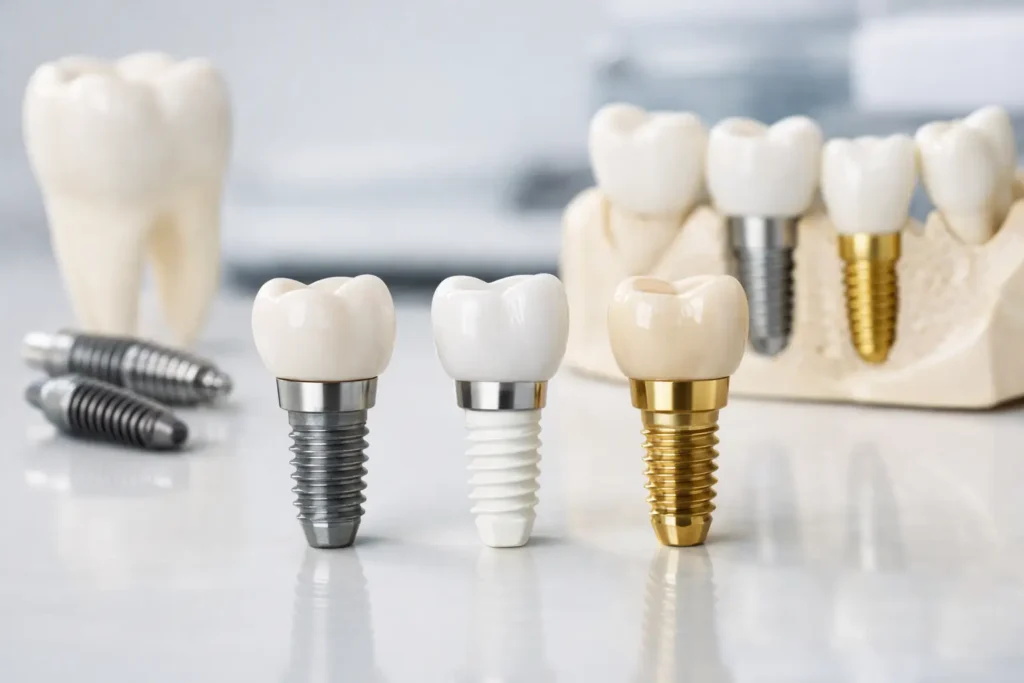
If you have been researching implants, you have probably noticed that one question keeps surfacing: which material is actually best? A proper dental implant materials comparison matters because the choice affects strength, appearance, healing, long-term maintenance, and cost. For many patients, especially those planning treatment away from home, the right answer is not the newest material or the most expensive one. It is the one that fits your bone, bite, smile goals, and overall treatment plan.
That is where a clear, honest comparison helps. Implant material is not a marketing detail. It is a clinical decision, and the best decision comes from understanding the trade-offs.
Dental implant materials comparison: the two main options
For most patients, the real comparison is between titanium and zirconia. These are the two materials most often discussed for modern dental implants, although titanium remains the long-standing standard in implant dentistry.
Titanium implants have decades of clinical history behind them. They are widely used, well studied, and trusted for single implants, bridges, and full-arch cases such as All-on-4. Zirconia implants are metal-free ceramic implants that appeal to patients who want a more natural tooth-colored option or who prefer to avoid metal.
At first glance, that may sound simple: titanium for proven performance, zirconia for esthetics and metal-free preferences. In practice, the decision is more nuanced than that.
Why titanium has remained the standard
Titanium is used so often for one reason above all: it performs predictably. It is strong, lightweight, biocompatible, and capable of osseointegration, which means the implant can bond with the jawbone over time. That stable bond is what allows an implant to function like a replacement tooth root.
For patients with heavy biting forces, multiple missing teeth, or full-mouth rehabilitation needs, titanium usually gives the restorative team more flexibility. It is available in a wide range of implant designs and sizes, which matters in complex cases where bone volume, implant angle, or prosthetic design must be carefully managed.
Another practical advantage is track record. When patients are investing in major treatment, especially while traveling for care, they often want the material with the longest history of clinical success. Titanium answers that concern clearly.
Where zirconia fits in
Zirconia has gained attention because it offers a metal-free alternative with a white, tooth-like color. For patients with thin gum tissue or high esthetic demands in the front of the mouth, that color can be appealing. If gum recession happens over time, a white implant may be less noticeable than a metallic one.
Zirconia is also biocompatible and can integrate with bone. Some patients specifically ask for it because they want a ceramic solution or have concerns about metal sensitivity. While true titanium allergy is rare, patient preference still matters, especially in elective care.
The key point is that zirconia can be an excellent option in selected cases, but it is not automatically superior just because it is newer or metal-free.
Strength, flexibility, and fracture risk
When patients compare materials, they often ask which one is stronger. The answer depends on what kind of stress the implant will face.
Titanium has an advantage in toughness and flexibility. It can tolerate functional forces very well, which is one reason it is so dependable for posterior teeth and full-arch restorations. It is less brittle than ceramic and generally more forgiving under pressure.
Zirconia is strong in a different way. It has high compressive strength, but it is more brittle than titanium. That does not mean zirconia implants fail routinely. It means case selection becomes even more important. In patients with grinding habits, limited space, or demanding bite patterns, the restorative and surgical plan has to be especially precise.
For this reason, a patient with a simple front-tooth replacement may be a reasonable zirconia candidate, while a patient needing a complex full-mouth reconstruction may benefit more from titanium’s versatility.
Esthetics and gum appearance
This is the area where zirconia usually gets the most attention. Because it is white, it can offer an esthetic benefit in visible areas, especially for patients with very thin gum tissue. If a titanium implant shows through the tissue slightly, it can sometimes create a grayish hue.
That said, implant esthetics are not determined by implant material alone. Gum health, implant position, bone support, abutment design, and the final crown all play major roles. A beautifully planned titanium implant can look excellent. A poorly planned zirconia implant can still fall short esthetically.
In other words, material matters, but the specialist’s planning matters more.
One-piece vs two-piece designs
A detail many patients miss during a dental implant materials comparison is that material often affects implant design.
Titanium implants are commonly available as two-piece systems. That means the implant body and the abutment can be separate components. This gives the dentist and specialist more restorative flexibility, which is valuable in complex or highly customized cases.
Many zirconia implants have historically been one-piece designs, although two-piece zirconia systems also exist. One-piece designs can work well, but they may offer fewer prosthetic adjustments. That can limit options when ideal implant placement is difficult or when the final restoration requires more customization.
For patients, this translates into a simple takeaway: some materials give your clinical team more room to adapt the treatment to your anatomy and bite.
Healing, tissue response, and plaque accumulation
Both titanium and zirconia are considered biocompatible, and both can succeed when treatment is properly planned and maintained. Some studies suggest zirconia may accumulate less plaque on its surface than titanium, which sounds attractive, especially for patients focused on gum health.
Still, home care and professional maintenance matter far more than small differences in surface behavior. An implant is not maintenance-free just because it is made from a certain material. If plaque control is poor, inflammation can still develop around any implant.
Soft tissue response is also influenced by placement quality, restoration contours, and the patient’s biology. Material is part of the picture, but it is not the whole picture.
Cost and availability
For many patients, budget is part of the decision. Titanium implants are usually more widely available and often more cost-effective because they are the most established option across implant systems and restorative workflows.
Zirconia implants may come with higher costs in some practices due to material pricing, more limited system availability, or case restrictions that require more selective planning. They may also be less commonly recommended in extensive restorative cases.
If you are traveling for treatment, availability matters in another way too. The most practical implant choice is often the one supported by an experienced specialist team, advanced imaging, and a proven restorative process. A material is only as good as the treatment plan built around it.
Which material is best for you?
The best answer depends on your case.
If you want the most proven option with the broadest clinical history, titanium is usually the leading choice. It is especially strong for patients needing multiple implants, full-arch rehabilitation, or treatment in high-pressure biting areas.
If your priority is a metal-free solution and you are a good clinical candidate, zirconia may be worth discussing. It can be particularly appealing in select anterior cases where esthetics are the main concern.
But the smartest decision is not made by choosing a material first. It is made by getting a full evaluation first. Bone volume, gum thickness, bite force, grinding habits, smile line, medical history, and restoration design all influence which material makes the most sense.
At an established, specialist-led clinic such as Colina Dental, that conversation should happen with imaging, diagnostics, and a treatment plan that looks at the entire case, not just the implant itself. That is especially important for patients traveling from the US or Canada, where predictability, timing, and value all matter.
The better question to ask at your consultation
Instead of asking, “Which implant material is best?” ask, “Which material is best for my anatomy, my bite, and my long-term result?” That question leads to a better treatment plan.
A trustworthy provider will not force the same answer on every patient. They will explain why one material may offer more flexibility, why another may suit a specific esthetic goal, and where the limitations are. That kind of transparency is what helps patients move forward with confidence.
The right implant material should support a stable, healthy, natural-looking result for years to come. And when the planning is done well, you are not just choosing between titanium and zirconia. You are choosing the level of predictability, comfort, and peace of mind you want built into your care.