



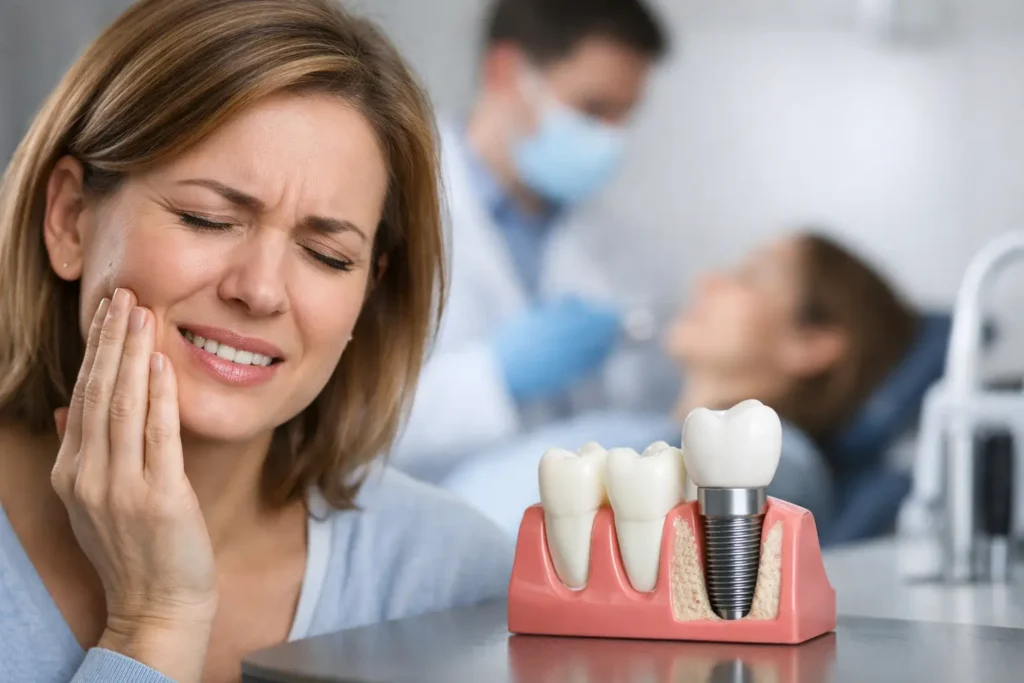
The question most patients ask first is not about titanium, healing times, or even cost. It is simpler than that: how painful are dental implants? If you are considering implant treatment, especially for a missing tooth or full-arch restoration, you want a straight answer about what the procedure feels like during surgery, after surgery, and in the days that follow.
The honest answer is this: dental implants are usually less painful than people expect. Most patients feel pressure during the procedure, not sharp pain, because the area is thoroughly numbed. Afterward, soreness, swelling, and tenderness are normal, but for many people, recovery feels more like having a tooth removed than enduring a major surgical event.
That said, pain is not one-size-fits-all. A single implant placed in healthy bone can feel very different from a full-mouth reconstruction with extractions and bone grafting. Your overall health, your anatomy, the skill of the surgical team, and how closely you follow aftercare instructions all play a role.
How painful are dental implants during the procedure?
During implant placement, the goal is simple: you should not feel pain while the dentist or specialist is working. Local anesthesia numbs the treatment area so that nerves are blocked effectively. You may notice pressure, vibration, or movement, but those sensations are very different from pain.
This is one reason many patients are surprised by the experience. They imagine drilling and surgery as intense, but with proper anesthesia, it is often calmer than expected. If you are anxious, additional sedation options may also be available depending on your treatment plan and medical history.
For patients traveling for care, this matters. You want a team that does not just place implants, but plans the procedure carefully with imaging, evaluates bone quality, and manages comfort at every stage. When treatment is organized well, the procedure tends to feel controlled and predictable rather than overwhelming.
What hurts after dental implant surgery?
Once the numbness wears off, that is when discomfort usually begins. The most common sensations are aching at the implant site, mild bleeding, swelling in the gums or cheek, and tenderness when chewing. Some patients also feel jaw stiffness if the mouth was open for a longer procedure.
For a straightforward single implant, many people describe the recovery as mild to moderate. It can often be managed with prescribed or over-the-counter pain medication, cold compresses, soft foods, and rest. The first 24 to 72 hours are usually the most uncomfortable, and then symptoms begin to ease.
With multiple implants, extractions, or grafting, recovery can be more demanding. The pain may last longer, swelling may be more noticeable, and eating can require more adjustment. That does not mean something is wrong. It usually means your body is healing from a more extensive procedure.
Why some implant cases hurt more than others
Not all implant treatment is equal. A patient replacing one missing premolar with plenty of healthy bone will often have an easier recovery than someone rebuilding an entire arch after years of tooth loss. The surgical complexity matters.
Bone grafting can increase soreness because it adds another healing site. Sinus lift procedures in the upper jaw can also create more pressure and post-op sensitivity. Immediate implants placed right after extraction may lead to a different recovery pattern than delayed implants placed in fully healed bone.
There is also a personal side to pain. Some patients have a high pain tolerance and return to normal activities quickly. Others are more sensitive to inflammation or have medical conditions that make healing feel slower. Smoking, uncontrolled diabetes, poor sleep, and stress can all make recovery harder.
This is why a good consultation should never promise a single universal experience. The better answer is a tailored one based on your specific case.
How painful are dental implants compared with extraction?
Many patients who have already had a tooth removed ask for a comparison. In many cases, implant placement is no more painful than an extraction, and sometimes it feels easier afterward. That surprises people, but it makes sense. With an extraction, the body is dealing with the trauma of removing a natural tooth, often from an infected or inflamed area. With a planned implant procedure in a healthy site, the surgery can be cleaner and more controlled.
Still, if your treatment includes both extraction and implant placement, you should expect more soreness than with an implant alone. The comparison depends on whether the site is healthy, infected, grafted, or part of a larger reconstruction.
For full-arch options such as All-on-4, patients often expect severe pain because the treatment sounds extensive. In reality, many report that the anticipation was worse than the recovery. There is swelling and discomfort, yes, but when surgery is performed by experienced specialists with a clear post-op plan, the process is often more manageable than feared.
What recovery really looks like
The first evening usually calls for rest, medication as directed, and a soft diet. Ice packs help control swelling, and many patients feel best keeping activity low for a day or two. Talking too much, chewing hard foods, or exercising too soon can increase throbbing and prolong discomfort.
By day two or three, swelling often peaks and then begins to improve. Mild bruising can appear, especially in more involved cases. By the end of the first week, many patients feel significantly better, although the gums may remain tender for longer.
The deeper healing takes much more time, but it is not usually painful. The implant integrates with the bone over a period of weeks or months. That stage is biologically important, but most patients are not in ongoing pain while it happens. If you feel worsening pain instead of gradual improvement, that is when you should contact your dental team.
Signs your discomfort is normal and signs it is not
Normal implant recovery includes soreness that improves day by day, swelling that peaks early and then settles, and minor tenderness when pressure is applied. Slight oozing in the first day can also be expected.
Pain that gets sharper after several days, swelling that increases instead of decreases, fever, bad taste, pus, or a sense that the implant area is unstable are not normal signs. Those symptoms can point to infection, bite issues, or healing complications. Prompt evaluation matters.
This is especially important for patients traveling for treatment. You should know exactly who is managing your care, what your follow-up schedule looks like, and how to reach the clinic if you have concerns after surgery. Reliable implant treatment is not just about the day of surgery. It is about planning, monitoring, and support throughout recovery.
How to make dental implants less painful
The biggest factors in comfort are preparation and technique. Detailed diagnostics, including 3D imaging when appropriate, help the surgical team place implants precisely and reduce unnecessary trauma. Specialist-led care also matters, particularly in complex cases involving grafting, multiple implants, or full-arch rehabilitation.
Patients have a role as well. Taking medications exactly as prescribed, avoiding smoking, sticking to soft foods, keeping the mouth clean as instructed, and giving your body time to heal can make a noticeable difference. Small choices in the first few days often shape the entire recovery.
If you are flying in for treatment, logistics matter more than people realize. Building in time to rest, staying somewhere comfortable, and having a clear plan for transportation, meals, and follow-up can reduce stress and help recovery go more smoothly. For many out-of-town patients, that level of coordination turns the experience from intimidating to manageable.
The real answer to how painful are dental implants
Dental implants involve surgery, so it would not be honest to call them painless. But they are usually very tolerable, especially when placed by an experienced team using modern planning and careful aftercare. Most patients feel pressure during the procedure, then manageable soreness for a few days afterward.
At Colina Dental, this is why implant treatment is approached with both clinical precision and patient support in mind. For guests traveling from the US and Canada, confidence comes from knowing your case is being handled by specialists, with clear guidance before treatment, comfort-focused care during surgery, and attentive follow-up during recovery.
If dental implants are on your mind, the better question may not be whether there will be discomfort at all. There usually is some. The better question is whether that discomfort is temporary, manageable, and worth the long-term stability of having your smile back. For most patients, the answer is yes.